

At The Avon Valley School, we believe the Performing Arts are a powerful way to nurture ambition. Performing arts at Avon Valley is highly regarded, offering students a wealth of opportunities to pursue their passions, which is why so many students are excited to join us. For students who live outside our catchment area, we have a special audition process to give them a chance to attend our school based on their artistic drive and talent.
We truly believe that performing arts are fundamental within the school curriculum. It’s not just about acting, dancing or singing; it’s about helping young people discover their talents and build a strong sense of self-belief, fostering the respect needed for both personal growth and teamwork. This confidence often carries over into their other subjects, helping them develop a more positive and focused approach to all their learning.
Our dedicated team is passionate about what we do; going above and beyond to provide a supportive and caring environment, ensuring every young person can achieve their aspirations. With all the different courses we offer, your child will have a fantastic opportunity to enjoy the performing arts to the fullest.
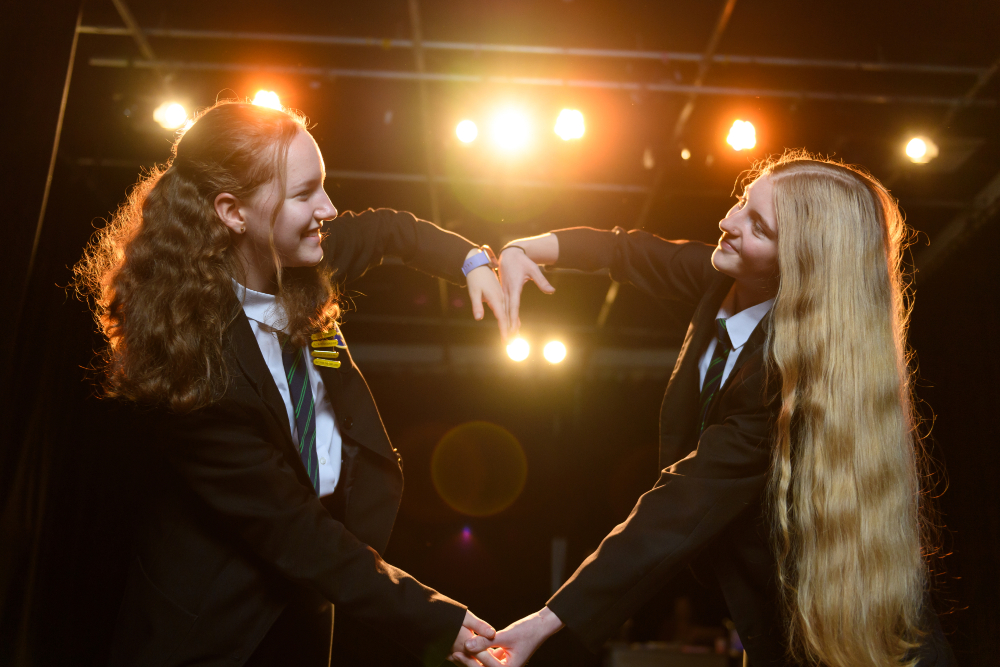
Dance in Year 7
Autumn
Spring
Summer
Dance in Year 8
Autumn
Spring
Summer
Dance in Year 9
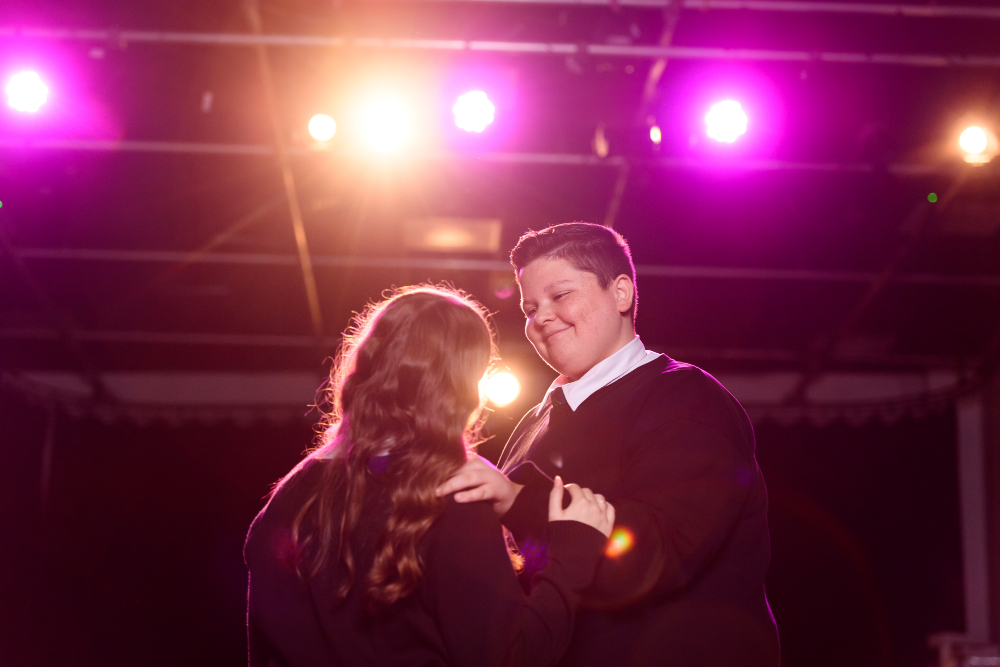
Drama in Year 7
Autumn
Spring
Summer
Drama in Year 8
Autumn
Spring
Summer
Drama in Year 9
Autumn
Spring
Summer
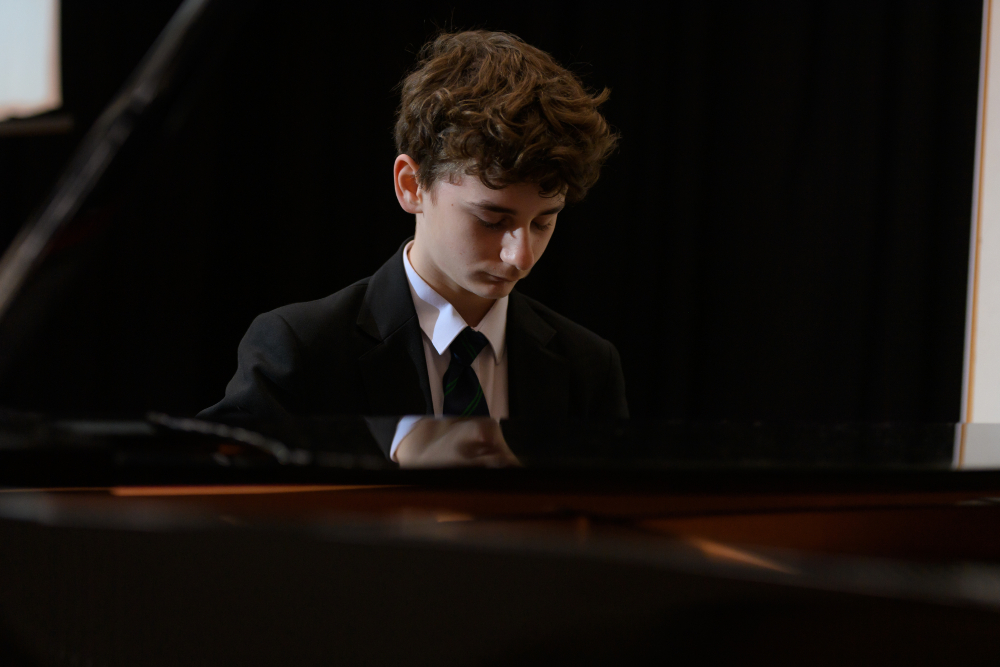
Music in Year 7
Autumn
Spring
Summer
Music in Year 8
Autumn
Spring
Summer
Music in year 9
Unit 1: Composing Popular Music
Students will learn how popular music is composed. They will compose their own songs or raps and all of the underlying instrumental tracks before recording elements of the tracks using our recording studio. The key components of learning are:
Unit 2: Musical forms and devices
This unit will look at the origins of western music focusing on classical music. Students will look at how it developed over time and how it is now commonly used in music for films and TV. The key components of learning are:

BTEC Tech Award
The BTEC Tech Award in Performing Arts is a practical course, designed for students who want to acquire sector specific skills for the performing arts with a focus on the acting industry. It is a powerful and inspiring qualification that encourages students to develop as artistic and imaginative learners whilst fostering creativity through their personal journey as an actor, whatever their previous experiences in the subject. The BTEC Tech Award qualification is equivalent to one GCSE grade.
(30% of qualification)
Students will take part in practical workshops exploring different professional works and plays in the acting industry. They will examine professional works and plays by understanding the theme, production features and the process of how the professional works are created.
What’s assessed?
How it’s assessed
Written coursework completed based on one play linked to a theme set by the exam board.
Total 60 Marks
(30% of qualification)
Students will develop their acting skills and techniques in workshops whilst learning and reproducing professional script work from a play. Throughout this component, they will review their own progress and consider how to make improvements.
What’s assessed?
How it’s assessed
(40% of qualification)
Students will work as part of a group to contribute and create a mini performance in response to a brief and stimulus.
They will plan, prepare, perform and evaluate their piece.
What’s assessed?
How it’s assessed
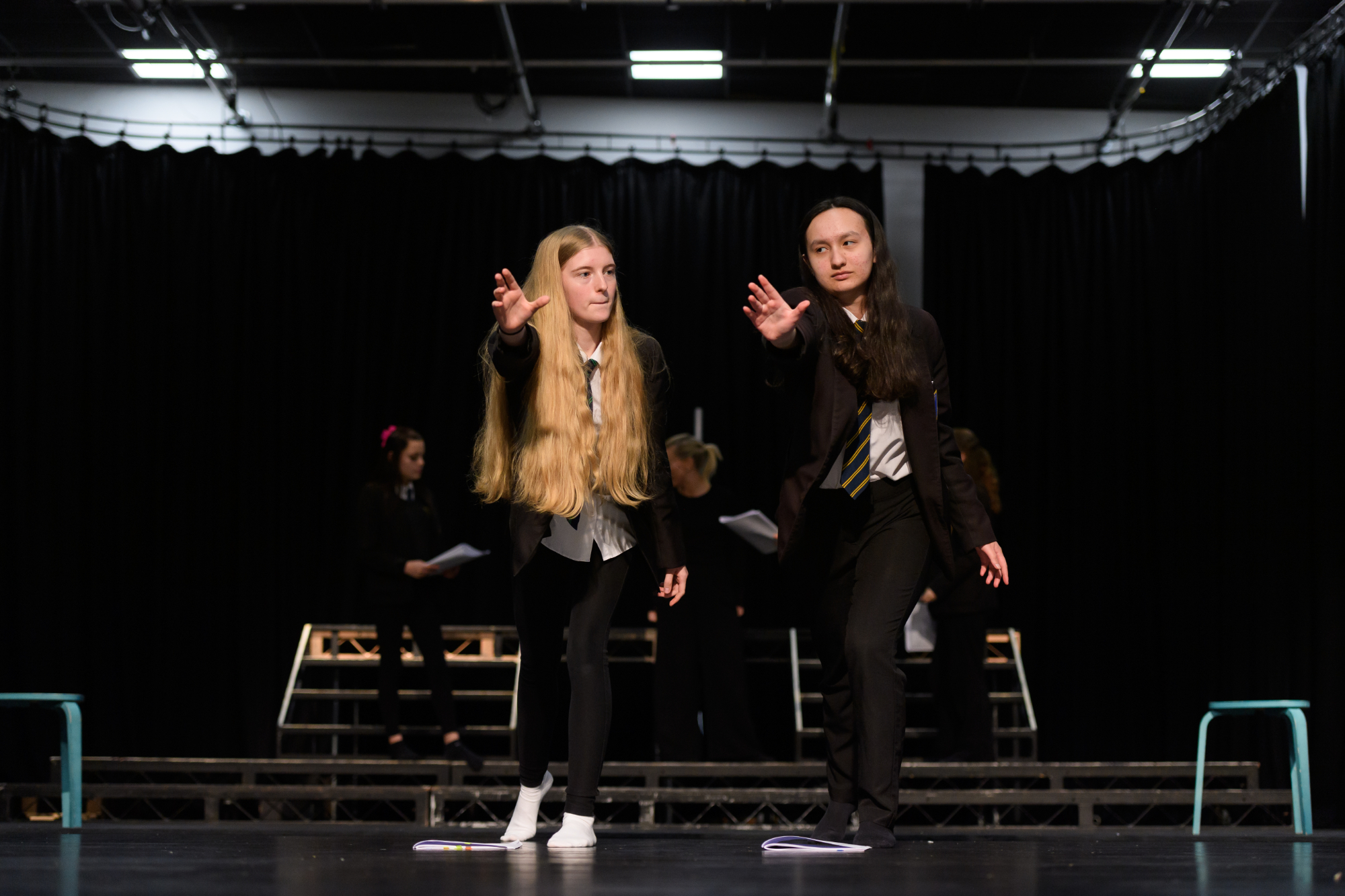
BTEC Tech Award - Dance
The BTEC Tech Award in Performing Arts – Dance approach is a practical course, designed for students who are enthusiastic about dance and the dance industry. It is a powerful and inspiring qualification that encourages students to develop as artistic and imaginative learners whilst fostering creativity through their personal journey as a dancer, whatever their previous experiences in the subject. The BTEC Tech Award qualification is equivalent to one GCSE grade.
(30% of qualification)
Students will take part in practical workshops exploring different professional works from different dance styles. They will examine professional works understanding the theme, production features and the process of how the works are created.
What’s assessed?
How it’s assessed
Written coursework completed based on one professional dance work linked to a theme set by the exam board.
Total 60 Marks
(30% of qualification)
Students will develop their dance skills and techniques in workshops whilst learning and reproducing professional dance repertoire. Throughout this component, they will review their own progress and consider how to make improvements.
What’s assessed?
How it’s assessed
(40% of qualification)
Students will work as part of a group to contribute and create a mini performance in response to a brief and stimulus.
They will plan, prepare, perform and evaluate their piece.
What’s assessed?
How it’s assessed
3 written logs. Final performance of choreography created and performed.
Total 60 Marks
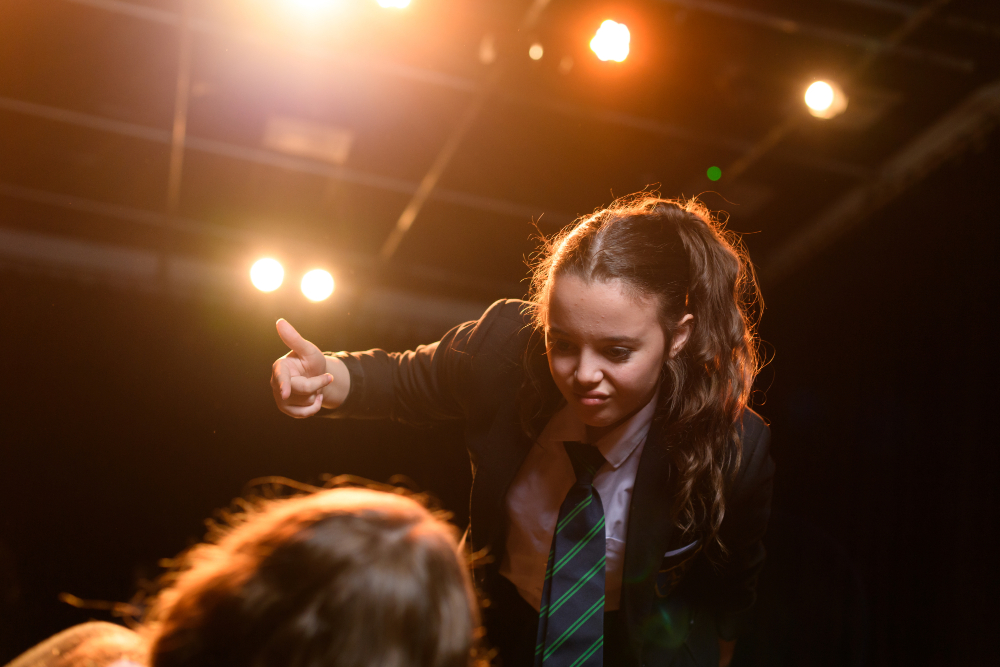
AQA GCSE in Drama
Drama offers students the opportunity to creatively explore texts and ideas; to engage practically (as well as academically) and learn how to analyse and evaluate drama and theatre.
(40% of qualification)
What’s assessed
How it’s assessed
(40% of qualification)
What’s assessed
How it’s assessed
(20% of qualification)
What’s assessed
How it’s assessed
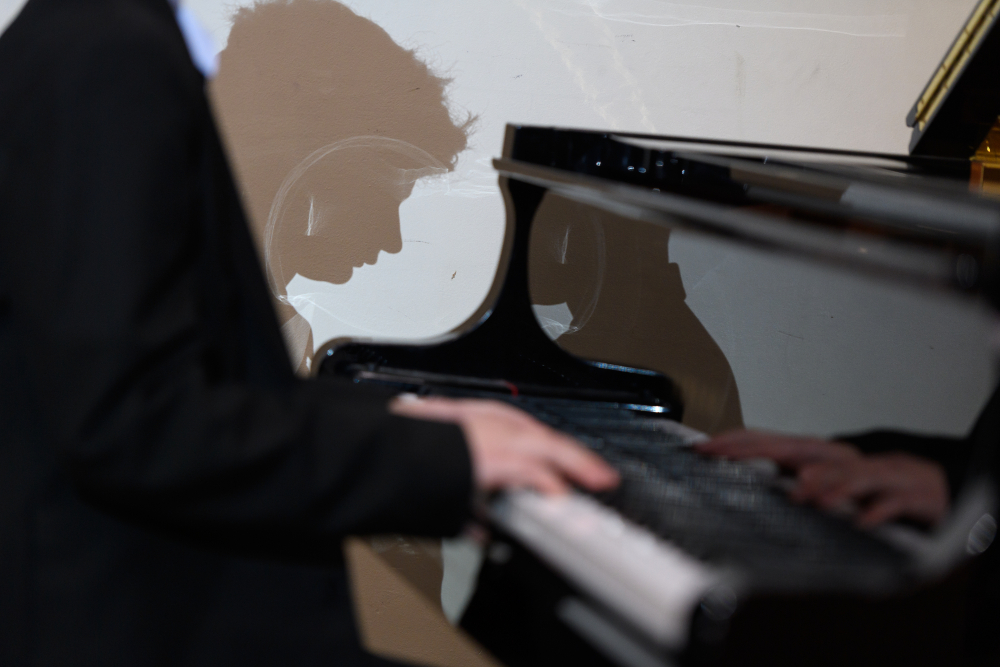
Eduqas GCSE in Music
This specification fosters candidates’ musical sensitivity, creativity and aural perception through the acquisition of knowledge, skills and understanding and the exercise of the imagination. It promotes candidates’ cultural development, involvement in and enjoyment of music as performers, composers and appraisers through the study of a wide range of music.
(30% of qualification) Total duration of compositions: 3 – 6 minutes.
Two compositions, one of which must be in response to a brief set by WJEC Eduqas. Learners will choose one brief from a choice of four, each one linked to an area of study. The briefs will be released during the first week of September in the academic year in which the assessment is to be taken. The second composition is a free composition for which learners set their own brief.
How it’s assessed
Non-exam assessment: internally assessed, externally moderated
(30% of qualification) Total duration of performances: 4 – 6 minutes.
A minimum of two pieces, one of which must be an ensemble performance of at least one minute duration. The other piece(s) may be either solo and/or ensemble. One of the pieces performed must link to an area of study of the learner’s choice.
How it’s assessed
Non-exam assessment: internally assessed, externally moderated
(40% of qualification)
There are eight questions in total, two on each of the four areas of study. Two of the eight questions will be based on prepared extracts set by the WJEC Eduqas.
How it’s assessed
Written examination: 1 hour 15 minutes